

Service · Discovery workshops
Product discovery workshops
Before you spend on development, we work out with you what the first version needs, how to build it and what it will cost. You leave with the scope, the risks and an estimate with variants.
01 · Scope
What you get
-
A feature set from a general idea
You know the problem, but there is no specification yet. Kru's founders came to us like that, and in structured workshops we turned their idea into a feature set.
-
A first version with a clear edge
We define the MVP and a plan for what comes after it, so the first release stays small and the rest has its place.
-
Wireframes of the key screens
Mockups that show how the product works, plus a list of the requirements the screens don't show.
-
Architecture, technology and risks
How the system fits together, which technologies to use and what could go wrong, before anyone writes production code.
-
An estimate with variants, and a roadmap
A detailed estimate with options to choose from, and a plan for the build.
-
A check of what you already have
Designs or a spec already? We check the flows, the details and the edge cases, and plan the data model.
02 · Process
How we work
-
A first talk
Users, deadlines and money. We agree who joins and what to prepare.
-
Questions to think about
Before the meetings you get questions such as: who are the users, which three features can the first version not do without, which payment method fits.
-
Two to four working meetings
Brainstorming, our proposals for the screens, and decisions on what goes in. From our side: a UX/UI designer, a project manager and a software architect or tech lead.
-
Everything written down
Goals, scope and decisions go into one versioned brief, with the estimate and the roadmap.
-
Then the build
Our coding agents build from that brief, senior engineers review every change, and you click through a working prototype early.
03 · Proof
Why Geeknauts
-
Workshops that led to launches
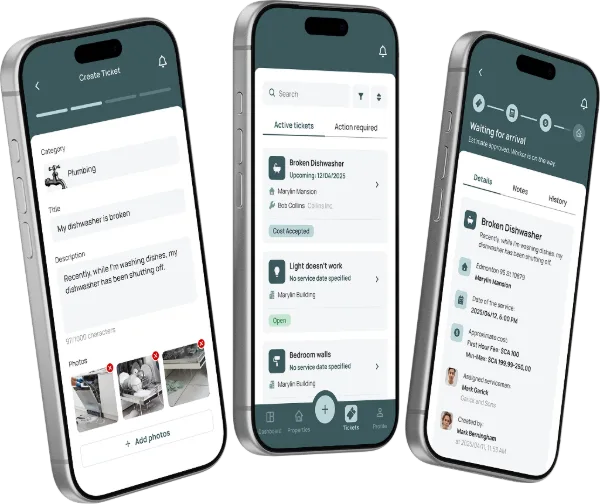
We ran OrbitOrca's discovery workshops; its first production release came seven weeks after the first commit. Kru, shaped in workshops, went live on the App Store and Google Play in July 2025.
-
One plan for several apps
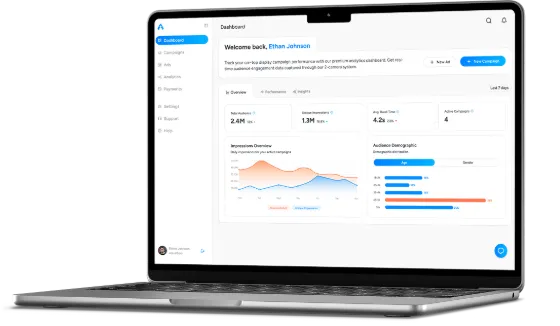
For OOHAi, the split into four apps took shape in workshops with us. Its first version took 8 weeks.
-
What we have seen
Close to 100 projects shipped. We'll tell you what we've seen work, and what hasn't.
04 · Questions
Questions, answered
How long does a workshop take?
It depends on how much is already decided: usually two to four meetings with you. When the design already exists, one session can be enough.
Who should join from our side?
The people who decide: the founder, the product owner or other decision makers.
We already have designs or a specification. Do we still need a workshop?
Then the workshop is shorter. We check the flows, the details and the edge cases, plan the data model, define the first version and estimate it.
Online or in Kraków?
Both: online, or at our office in Kraków.
Will you sign an NDA?
Yes, if you need one.
Missions that prove it
Browse the portfolio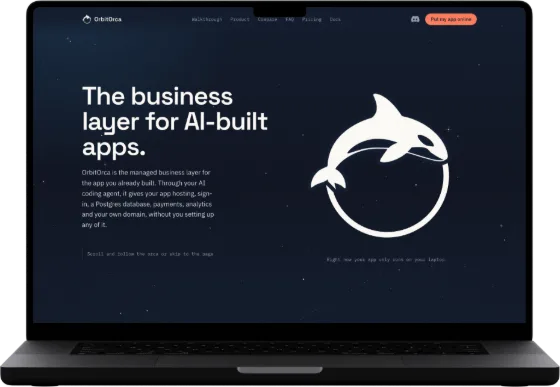
Next mission: yours.
Bring an idea, a half-built app or a live product. Start with the mission brief: it takes two minutes, and our team replies within 8 working hours.